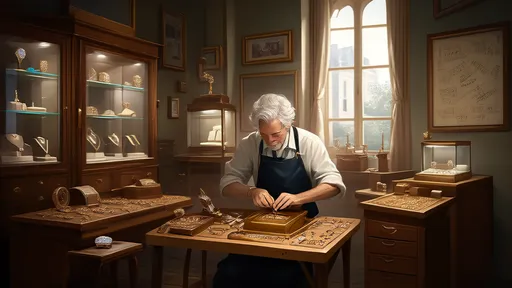
The glittering world of high-end jewelry, long synonymous with tradition and tactile luxury, is undergoing a quiet revolution from an unlikely source: blockchain technology. Far beyond the cryptocurrency hype, this distributed ledger system is being deployed to address some of the industry's most persistent and costly challenges, from proving provenance to combating fraud. The immutable, transparent nature of blockchain offers a promise of trust in a business where authenticity is everything, yet the path to widespread adoption is paved with both dazzling innovation and significant hurdles.
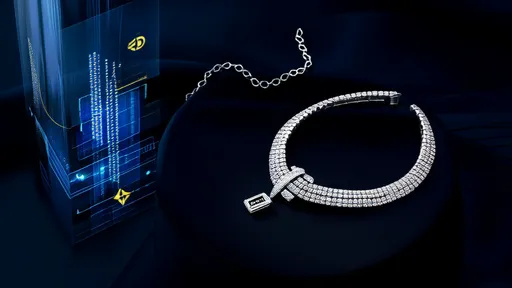
At the heart of blockchain's application in jewelry is the concept of an unforgeable digital passport for each gemstone and piece. Companies like De Beers, with its Tracr platform, and Everledger are pioneering this approach. A diamond, for instance, can be registered on a blockchain at the moment it is mined. Its journey—from being cut and polished, graded by a laboratory, set into a piece, and finally sold to a consumer—is recorded in a series of timestamped, cryptographically secured entries. This creates an auditable and permanent history that verifies its natural origin, confirms it is conflict-free, and assures against diamond switching or counterfeit certificates. For the end consumer, this often translates to scanning a QR code and viewing the entire life story of their precious acquisition, a level of transparency previously unimaginable.
The implications for supply chain management are profound. The traditional jewelry supply chain is notoriously fragmented, involving a complex web of miners, cutters, wholesalers, manufacturers, and retailers across the globe. Tracking assets through this maze is inefficient and prone to errors or intentional obfuscation. Blockchain introduces a single source of truth accessible to all permitted participants. This shared ledger can drastically reduce administrative overhead, streamline inventory reconciliation, and provide real-time visibility into the movement of goods. For an industry dealing with extremely high-value, small-sized inventory, the ability to instantly verify an item's status and location is a powerful tool against loss, theft, and insurance fraud.
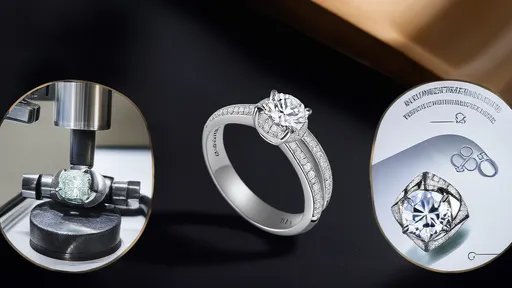
Furthermore, blockchain is emerging as a potent weapon against the perennial issue of counterfeit goods and fraudulent certification. The market is flooded with sophisticated fakes, from lab-grown diamonds misrepresented as natural to pieces with falsified grading reports from renowned labs like GIA or AGS. By digitizing a gem's certificate and anchoring it to the stone itself via a unique digital identifier on the blockchain, it becomes nearly impossible to replicate or alter. Any attempt to change the record would be rejected by the consensus mechanism of the network, immediately signaling a red flag. This not only protects brands and retailers from unknowingly dealing in fakes but also empowers consumers, giving them undeniable proof of their purchase's authenticity and value, which is crucial for insurance and eventual resale.
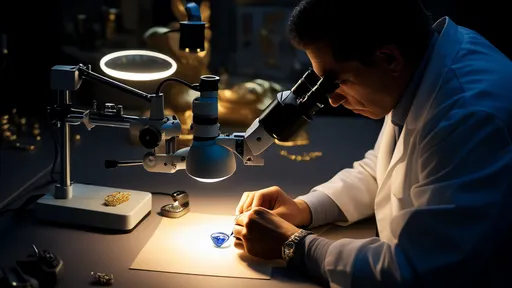
Despite its clear potential, the integration of blockchain into the jewelry sector is not without its formidable challenges. The first is the issue of initial verification. The famous computer science axiom "garbage in, garbage out" applies perfectly here. The integrity of the entire blockchain record is wholly dependent on the accuracy and honesty of the data entered at the source. If a conflict diamond is fraudulently tagged as ethical at the mine, its tainted provenance will be permanently and "trustlessly" etched into the digital ledger. Ensuring the initial input of data is correct requires robust physical verification protocols and trusted, on-the-ground partners, which can be difficult and expensive to implement universally.
Another significant barrier is technological adoption and interoperability. The jewelry industry, particularly at the artisan and smaller retailer level, is not known for its rapid embrace of new technology. Implementing blockchain solutions requires investment in new software, training for staff, and a fundamental shift in long-established workflows. Moreover, for the system to reach its full potential, widespread adoption across the entire ecosystem is necessary. If only a handful of major players use a specific platform like Tracr, while others use different systems that cannot communicate, it creates new digital silos rather than a unified chain of custody. The lack of a universal standard is a major stumbling block to achieving seamless industry-wide transparency.
Cost and scalability present further practical dilemmas. Developing and maintaining a secure, enterprise-grade blockchain platform requires substantial financial resources. These costs are often passed down the chain, potentially increasing the price of the final product—a tough sell in a competitive market. Furthermore, as the number of transactions and registered assets grows into the millions, questions about the scalability of certain blockchain architectures and the associated energy consumption (particularly for proof-of-work models) become relevant. The industry must find solutions that are not only secure and transparent but also cost-effective and environmentally sustainable to operate at a global scale.
Perhaps the most nuanced challenge is balancing transparency with the necessary discretion of a luxury business. While consumers and regulators demand more information about provenance and ethics, the actual financial value of individual stones, profit margins, and sensitive supplier relationships are details companies are reluctant to put on a fully transparent ledger. Most operational blockchain solutions in use today are permissioned or private blockchains, where visibility is controlled and granted only to vetted participants. Finding the right equilibrium between revealing enough to build trust and concealing enough to protect business interests is an ongoing tightrope walk for executives.
In conclusion, blockchain technology is far more than a buzzword in the jewelry industry; it is a tangible tool slowly transforming its foundations. It holds the powerful promise of ushering in a new era of radical transparency, ethical accountability, and operational efficiency. From giving a diamond a verifiable voice to protecting brands from costly fraud, the applications are compelling. However, this digital revolution is tempered by very real-world obstacles: the critical need for accurate initial data, the hurdles of widespread adoption and standardization, cost concerns, and the delicate dance between transparency and privacy. The future of jewelry will likely be built on a hybrid model, blending centuries-old craftsmanship with cutting-edge digital assurance, as the industry carefully threads this new technology into its very core.
By /Aug 27, 2025

By /Aug 27, 2025
By /Aug 27, 2025

By /Aug 27, 2025
By /Aug 27, 2025

By /Aug 27, 2025
By /Aug 27, 2025

By /Aug 27, 2025
By /Aug 27, 2025

By /Aug 27, 2025
By /Aug 27, 2025
By /Aug 27, 2025
By /Aug 27, 2025
By /Aug 27, 2025
By /Aug 27, 2025
By /Aug 27, 2025
By /Aug 27, 2025
By /Aug 27, 2025
By /Aug 27, 2025

By /Aug 27, 2025
