In the twilight of the 19th century, as the industrial age reached its zenith, a remarkable artistic rebellion began to take shape across Europe. This movement, which would come to be known as Art Nouveau, represented a profound departure from the rigid historicism that had dominated the previous decades. Nowhere was this aesthetic revolution more exquisitely expressed than in the realm of jewelry, where master craftsmen transformed precious metals and gemstones into wearable poetry that celebrated two interconnected themes: the organic beauty of nature and the mystique of the feminine form.
The very essence of Art Nouveau jewelry lies in its rejection of mechanical precision in favor of fluid, natural lines. Artisans drew inspiration from the delicate tendrils of climbing vines, the graceful unfurling of flower petals, and the subtle asymmetry found throughout the natural world. These were not literal representations but rather interpretive translations of nature's essence into metal and stone. The jewelry became a wearable landscape, capturing moments of natural transformation—a butterfly emerging from its chrysalis, a dragonfly skimming across water, or the first buds of spring pushing through the earth.
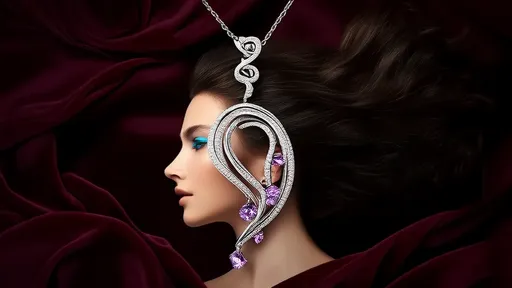
At the heart of this naturalistic expression stood the female form, which Art Nouveau artists elevated to near-mythological status. The woman in Art Nouveau jewelry is not merely decorative; she is a powerful symbol of creation, mystery, and natural force. Her hair flows into winding rivers or twisting vines, her body merges with butterfly wings or peacock feathers, and her gaze holds the ancient wisdom of the natural world. These feminine figures—often depicted with flowing tresses, enigmatic expressions, and graceful poses—embodied the movement's ideal of beauty as something organic, mysterious, and powerfully alive.
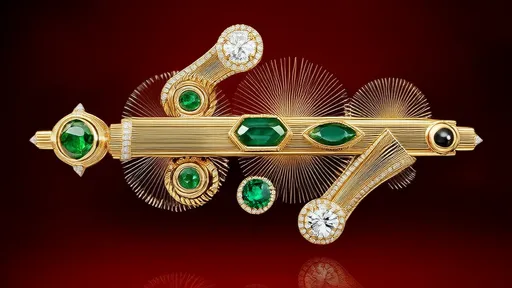
The technical innovations of the period enabled this artistic vision to flourish. Artisans developed new enameling techniques such as plique-à-jour, which created stunning stained-glass effects that seemed to capture and refract light like dragonfly wings. They combined unconventional materials—horn, ivory, glass, and semi-precious stones—with gold and silver in ways that prioritized artistic expression over material value. The resulting pieces were less about displaying wealth than about wearing art that moved with the body, catching light and attention with every gesture.
René Lalique, perhaps the most celebrated Art Nouveau jeweler, perfectly encapsulated the movement's ideals in his breathtaking creations. His pieces often featured ethereal female figures with wings of enamel and bodies carved from moonstone, their forms emerging from golden landscapes of flowers and insects. Lalique's women are both earthly and otherworldly—nymphs, fairies, and goddesses who inhabit the borderland between the human and natural realms. His technical mastery allowed him to create jewelry that seemed almost alive, with details so delicate they appear to tremble at the slightest touch.
Beyond Lalique, numerous other artisans contributed to this golden age of artistic jewelry. Georges Fouquet created spectacular pieces that integrated ivory-carved female faces with diamond-studded dragonflies and opal-water lilies. Lucien Gaillard drew inspiration from Japanese art, creating hair combs that resembled flowering branches and brooches that captured the momentary beauty of falling cherry blossoms. Each artist brought their unique vision, yet all shared the common language of natural forms and feminine mystery.
The symbolism embedded in these pieces reveals the deeper philosophical underpinnings of the movement. The frequent depiction of insects—particularly bees, dragonflies, and butterflies—represented transformation and the delicate balance of ecosystems. Serpents, often shown coiled around women's arms or necks, symbolized both danger and wisdom, eternity and renewal. Flowers carried specific meanings: irises for messages, lilies for purity, roses for love and passion. These symbolic elements combined to create jewelry that spoke a complex visual language about the interconnectedness of all life.
What makes Art Nouveau jewelry particularly fascinating is how it reflected the changing role of women in society. The late 19th and early 20th centuries saw women beginning to challenge traditional gender roles, and the strong, mysterious feminine ideal in Art Nouveau pieces resonated with this cultural shift. These were not demure, passive women but powerful figures in tune with natural forces—a visual representation of the emerging New Woman who sought greater independence and self-expression.
The sensuality of Art Nouveau jewelry cannot be overlooked. The pieces often suggest rather than explicitly display eroticism through the flowing hair, slightly parted lips, and subtle suggestions of the female body merging with natural elements. This approach to sensuality was sophisticated and symbolic rather than overt, appealing to a clientele that appreciated nuance and artistic expression. The jewelry invited touch and contemplation, with curves that followed the body's form and details that revealed themselves gradually upon closer inspection.
Though the Art Nouveau movement was relatively brief, spanning approximately from 1890 to 1910, its impact on jewelry design proved enduring. The emphasis on artistic expression over mere display of wealth, the celebration of natural forms, and the integration of the feminine with the natural world created a legacy that would influence jewelry design throughout the 20th century and beyond. The movement demonstrated that jewelry could be more than adornment—it could be wearable art that expressed complex ideas about beauty, nature, and femininity.
Today, Art Nouveau jewelry remains highly sought after by collectors and museums alike. These pieces continue to captivate viewers with their technical brilliance and symbolic depth. In an age increasingly concerned with environmental preservation and gender equality, the movement's celebration of nature's delicate beauty and the powerful feminine spirit feels remarkably contemporary. The jewelry serves as a beautiful reminder of a time when artists looked to the natural world not for resources to exploit but for inspiration to cherish and protect.
The enduring appeal of Art Nouveau jewelry lies in its successful fusion of two timeless themes: the eternal beauty of nature and the mysterious power of the feminine. These pieces transcend their time period because they speak to something fundamental in the human experience—our connection to the natural world and our fascination with the creative force that femininity represents. In wearing or beholding these remarkable creations, we participate in a century-old conversation about beauty, art, and our place in the natural order.
By /Aug 27, 2025
By /Aug 27, 2025

By /Aug 27, 2025

By /Aug 27, 2025
By /Aug 27, 2025

By /Aug 27, 2025
By /Aug 27, 2025

By /Aug 27, 2025
By /Aug 27, 2025
By /Aug 27, 2025
By /Aug 27, 2025
By /Aug 27, 2025
By /Aug 27, 2025
By /Aug 27, 2025
By /Aug 27, 2025
By /Aug 27, 2025
By /Aug 27, 2025
By /Aug 27, 2025

By /Aug 27, 2025
By /Aug 27, 2025
