In the digital age, purchasing high-value jewelry online has become increasingly common, offering convenience and access to a global marketplace. However, the absence of physical inspection elevates the importance of visual documentation to an absolute necessity. When investing significant sums in pieces like diamond rings, vintage Cartier bracelets, or custom-designed necklaces, buyers must treat visual evidence not as a courtesy from the seller, but as a fundamental requirement for a secure transaction. This evidence serves as the buyer's eyes, the primary tool for authentication, condition assessment, and ultimately, legal protection.
The cornerstone of any high-value jewelry transaction is a comprehensive set of high-resolution photographs. A single, beautifully lit hero shot is entirely insufficient; it is merely a marketing tool. What the serious buyer requires is a systematic photographic dossier. This should begin with overall shots of the piece from every angle: front, back, and both sides. Following this, macro photography is non-negotiable. These extreme close-up images are crucial for examining the minutiae that define value and authenticity.
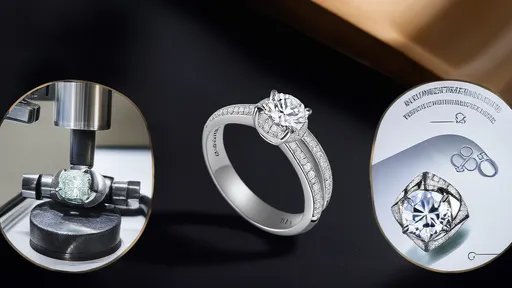
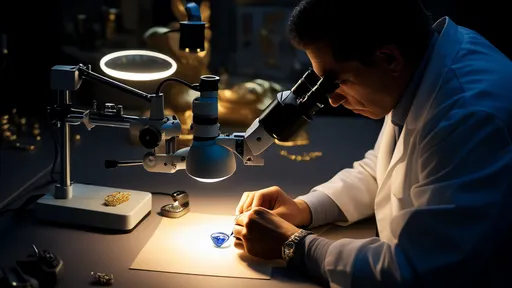
For gemstones, especially diamonds, macro photos should clearly reveal the stone's cut, clarity, and any inclusions. You should be able to see the facets meeting at sharp points and examine the girdle. For pieces with hallmarks, stamps, or serial numbers—a critical element in authenticating luxury brands like Tiffany & Co., Van Cleef & Arpels, or Bulgari—the macro photo must be so clear that you can read the engraving without any ambiguity. Blurry or obscured stamps are a major red flag. Furthermore, the clasp mechanisms, prong settings, and the back of the piece, often where tell-tale signs of wear or repair reside, must be visible in stark detail. Insist on photos taken against a neutral background without heavy filters or dramatic lighting that can mask flaws or enhance color artificially.
While photographs provide a static record, video brings the jewelry to life, offering a dynamic assessment that pictures cannot match. A video allows you to see how the piece moves, catches the light, and exists in three dimensions. Request a slow, 360-degree video rotation under different lighting conditions. First, under bright, white light, which offers the clearest view of the metal's condition and the true color of the gems. Second, under natural daylight, to see the fire and brilliance of a diamond or the lustrous glow of a pearl. And finally, in softer, ambient light to understand its everyday appearance.
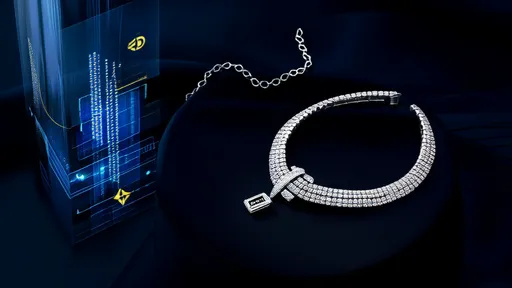
A video is also the best way to inspect the functionality of components. Ask the seller to demonstrate the clasp opening and closing on a necklace or bracelet. For a ring, have them show the security of the setting. Listen for the sound of a well-made clasp—it should click firmly into place, not feel loose or hesitant. This dynamic proof can reveal issues like a wobbly stone, a stiff hinge on a bracelet, or a catch that doesn't align properly, all of which are difficult to discern from still images alone.
Beyond general visuals, certain types of jewelry demand specific evidence. With diamonds, the conversation begins and ends with the certificate from a reputable gemological laboratory like the GIA (Gemological Institute of America) or AGS (American Gem Society). However, visual proof must correlate directly with this certificate. You must receive a macro video that clearly shows the laser inscription on the diamond's girdle, matching the certificate number. This simple step irrevocably links the physical stone to its official grading report, providing a powerful layer of security against certificate swapping or fraud.
For vintage or antique pieces, provenance is part of the value. While a written history is valuable, visual evidence supporting that history is paramount. This includes clear, dated photographs of any original boxes, certificates, receipts, or design sketches that accompany the piece. Scrutinize the wear patterns on the box's velvet lining—does it match the shape of the jewelry? Furthermore, close-up videos of the craftsmanship details—the type of metal weaving, the style of engraving, the construction of the clasp—can help an expert verify its period authenticity, distinguishing a true antique from a skilled reproduction.
When dealing with luxury branded jewelry, the devil is in the details. Counterfeits have become exceedingly sophisticated. Your visual evidence must therefore be forensically detailed. Insist on ultra-close-up, shake-free video of the brand's hallmark, serial number engraving, and any signature clasps (e.g., the Alhambra motif on Van Cleef & Arpels or the screw motifs on Cartier Love bracelets). Examine the precision of the engraving; authentic pieces feature crisp, clean, and deep engraving, while fakes often appear shallow, fuzzy, or misaligned. The weight and feel, implied through a video showing the piece being handled, can also be a subtle indicator of authenticity, as counterfeit items often use lighter, inferior metals.
Receiving this evidence is only half the battle; knowing how to analyze it is critical. Do not hesitate to ask questions directly related to the visuals. If a photo shows a faint scratch near a prong, ask the seller to comment on it in a follow-up video. If the color seems to shift between two videos, ask for clarification on the lighting used. Use the evidence to engage in a dialogue. For ultimate assurance, take the provided photos and videos to an independent, trusted jeweler for a virtual second opinion before committing to the purchase. Their trained eye can often spot inconsistencies or issues you may have missed.
In the realm of online high-value jewelry purchases, visual evidence is your most powerful ally. It transforms an act of faith into an informed decision. A seller who is transparent, patient, and thorough in providing high-quality photos and videos is demonstrating professionalism and confidence in their product. Conversely, a seller who hesitates, provides blurry images, or makes excuses for not supplying specific angles is presenting significant red flags. Ultimately, arming yourself with irrefutable visual proof is the single most effective strategy to ensure your significant investment is secure, authentic, and exactly as promised, allowing you to buy with confidence in the vast digital marketplace.
By /Aug 27, 2025

By /Aug 27, 2025

By /Aug 27, 2025

By /Aug 27, 2025
By /Aug 27, 2025

By /Aug 27, 2025
By /Aug 27, 2025

By /Aug 27, 2025
By /Aug 27, 2025
By /Aug 27, 2025
By /Aug 27, 2025
By /Aug 27, 2025
By /Aug 27, 2025
By /Aug 27, 2025
By /Aug 27, 2025
By /Aug 27, 2025
By /Aug 27, 2025
By /Aug 27, 2025

By /Aug 27, 2025
By /Aug 27, 2025
