When it comes to choosing an engagement ring or wedding band, many couples focus primarily on aesthetics and budget. However, the long-term durability and practicality of daily wear are equally critical considerations. After all, these symbols of love are meant to last a lifetime, accompanying you through countless activities, from typing at a keyboard to gardening on a weekend. Understanding how different materials and designs hold up over time can save you from future heartache and costly repairs.
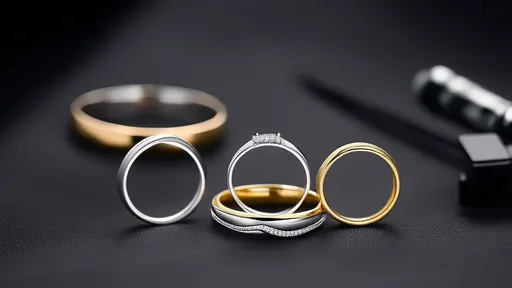
Let's start with the most classic choice: platinum. Renowned for its strength and rarity, platinum is a dense, heavy metal that offers exceptional durability. It is highly resistant to scratching and tarnishing, though it will develop a patina over years of wear—a characteristic many appreciate as it adds a unique, lived-in elegance. Unlike some white metals that are rhodium-plated, platinum maintains its color throughout its life. It's hypoallergenic, making it an excellent option for those with sensitive skin. The downside? Its weight and premium price tag. But for a piece you'll wear every day, the investment in platinum's resilience is often justified.
White gold presents a more affordable alternative to platinum, offering a similar bright, silvery appearance. However, its composition is different. It's typically made from yellow gold alloyed with white metals like nickel or palladium and coated with a thin layer of rhodium. This rhodium plating gives it its brilliant white shine but wears off over time, requiring re-plating every year or two to maintain its color. The base metal underneath is softer than platinum, making it more prone to scratches and dents. For active individuals, this might mean more frequent trips to the jeweler for maintenance.
Then there's yellow gold, the timeless classic. Available in various karats (like 14k or 18k), which indicate the purity of the gold mixed with alloy metals for strength. Higher karat gold (e.g., 18k or 22k) is richer in color but softer and more susceptible to scratching and deformation. Lower karat gold (like 14k) offers a good balance, providing a durable ring that can withstand daily knocks without losing its shape too easily. Gold does not tarnish, but it can show wear over decades, often developing a soft, warm glow that many find charming.
Rose gold has surged in popularity for its romantic, pinkish hue, achieved by alloying gold with copper. The copper content not only gives it its color but also adds significant strength, making rose gold one of the most durable gold varieties. It's more resistant to scratching compared to yellow or white gold and does not require rhodium plating. However, those with copper allergies should be cautious, as the metal can cause skin reactions in sensitive individuals.
For the modern, minimalist, or allergy-prone, titanium and tungsten have entered the scene. Titanium is incredibly strong, lightweight, and corrosion-resistant. It's also hypoallergenic and doesn't tarnish. However, its strength is a double-edged sword; in an emergency, it cannot be cut off easily, which is a significant consideration for a ring worn daily. Tungsten carbide is even harder, nearly scratch-proof, and has a substantial, modern feel. But it's brittle and can crack or shunder under extreme force, and like titanium, it cannot be resized, which might be a deal-breaker for some.
Another contemporary option is cobalt chrome. It shares a similar bright white appearance with white gold but is much harder and more scratch-resistant. It's hypoallergenic and doesn't require plating, maintaining its color indefinitely. However, its hardness also means it cannot be traditionally resized by most jewelers, posing a potential issue if your finger size changes in the future.
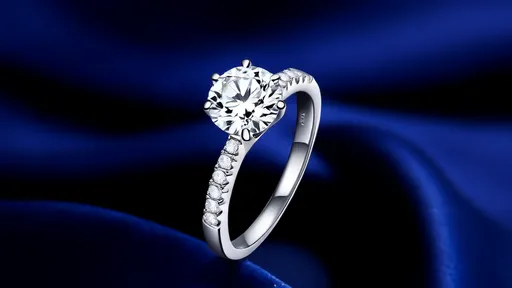
Beyond the metal, the design and setting of the ring play a huge role in its everyday resilience. A high, prong-set solitaire diamond might be breathtaking, but it's also prone to catching on clothing and objects. Prongs can loosen over time, risking stone loss. A bezel setting, where the metal encircles the gemstone, offers superior protection, keeping the stone secure and reducing snagging. For those with active lifestyles, a low-profile or flush setting is ideal.
intricate designs with milgrain, filigree, or pavé (small stones set closely together) are beautiful but come with maintenance challenges. Dirt and grime can accumulate in the crevices, requiring regular professional cleaning. Pavé settings, while dazzling, have many small prongs that can wear down, and losing one of the tiny diamonds is not uncommon.
The choice of gemstone is equally crucial. While diamonds top the Mohs scale of hardness, making them exceptionally resistant to scratching, they can still chip if struck at the right angle. Softer stones like emeralds or opals are beautiful but require a protective setting and careful wear; they are not ideal for someone who uses their hands vigorously every day. Moissanite and sapphire are excellent durable alternatives for the center stone.
Ultimately, the "best" material and style depend entirely on your personal daily routine, aesthetic preference, and willingness to maintain the ring. A platinum bezel-set ring with a diamond might be the ultimate hands-off choice for a surgeon, while a rose gold vintage-style ring with intricate details might be perfect for someone with a less physically demanding job who doesn't mind occasional cleanings. The key is to be honest about how you live your life and choose a ring that can not only symbolize your love but also actively participate in it, day in and day out, for years to come.
By /Aug 27, 2025

By /Aug 27, 2025

By /Aug 27, 2025

By /Aug 27, 2025
By /Aug 27, 2025

By /Aug 27, 2025
By /Aug 27, 2025

By /Aug 27, 2025
By /Aug 27, 2025
By /Aug 27, 2025
By /Aug 27, 2025
By /Aug 27, 2025
By /Aug 27, 2025
By /Aug 27, 2025
By /Aug 27, 2025
By /Aug 27, 2025
By /Aug 27, 2025
By /Aug 27, 2025

By /Aug 27, 2025
By /Aug 27, 2025
